


AI is not only making it more challenging to discern what and who is real and trustworthy, but it is also becoming enmeshed in our emotional, informational, and psychological lives as trusted confidants and advisors, to mixed effects.
PAI’s AI & Psychological Well-being workstream brings together AI companies, mental health clinicians, researchers, civil society organizations, and people with lived experience to respond to this challenge with two goals:
-
- Reducing physical and emotional harm, including harm to oneself and to others.
- Supporting well-being, by strengthening social ties, empathy and respect for others, a sense of meaning, and emotional resilience.
We treat well-being broadly, not only as clinical mental health or crisis response and pay close attention to how well-being looks different across demographics, cultures, and communities, bringing in specialized expertise where it matters most.



Working Group
The AI & Psychological Well-being Working Group is a standing, interdisciplinary cohort of industry practitioners, civil society leaders, and people with lived experience working together to develop responsible practices for how AI systems can support psychological, emotional, and social well-being.
The group’s first project will focus on suicide, self-harm, and crisis prevention. This discrete project will inform future, broader work on other dimensions of psychological well-being, such as reducing unhealthy AI dependency or strengthening overall social connection.

Sara Andrews
Apple
Laura Globig
DeepMind
Linda Henderson-Smith
Vibrant Emotional Health

Gregory Kiar
Child Mind Institute
Clancy Martin
University of Missouri, Kansas City

Tommy Marzella
The Trevor Project

Theresa Nguyen
Mental Health America

Minh Nguyen
Amazon

Ichhya Pant
ByteDance

Forough Poursabzi
Microsoft

Kira Riehm
Anthropic
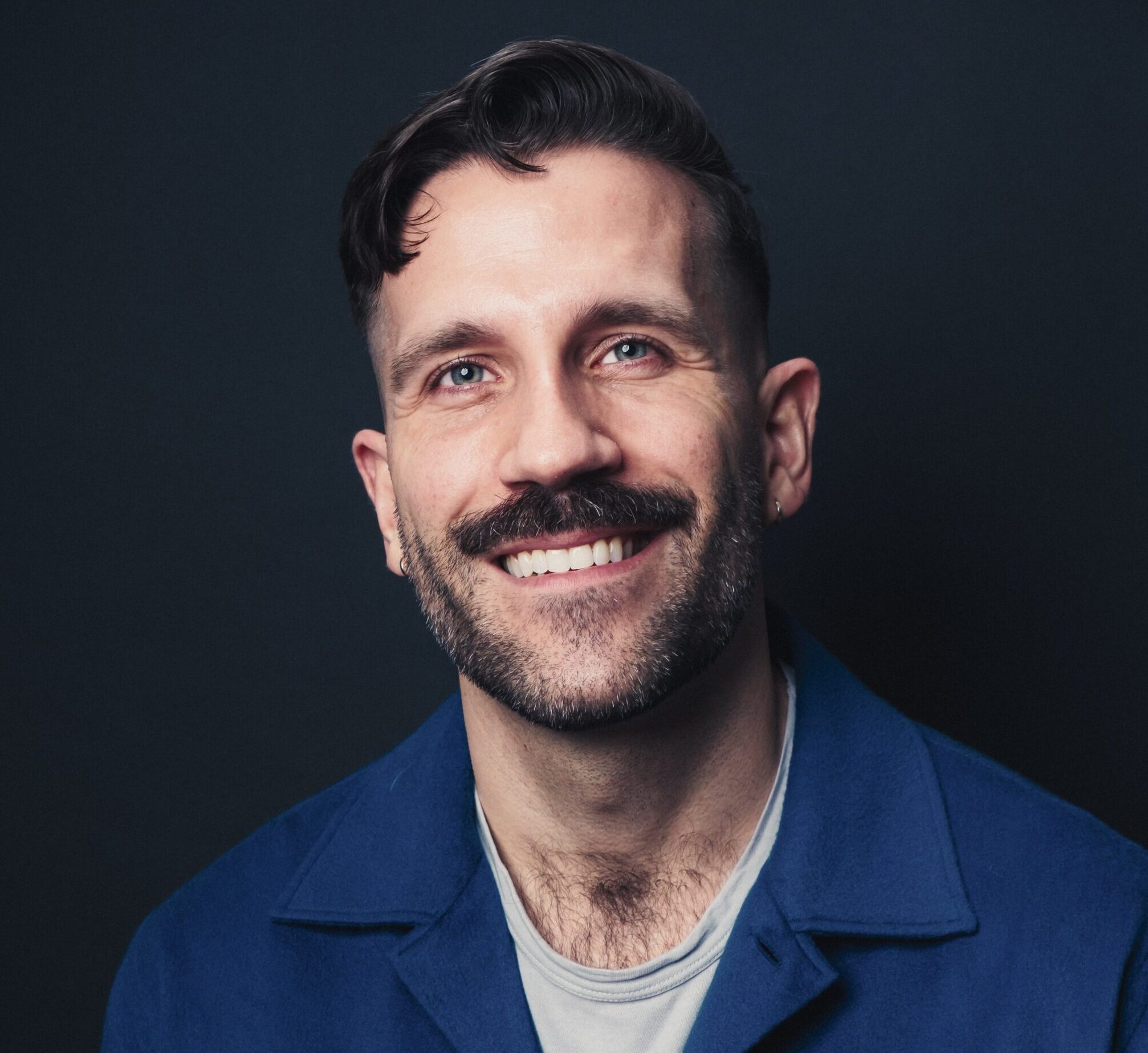
Scott Rising
American Foundation for Suicide Prevention (AFSP)

Jina Suh
University of Washington
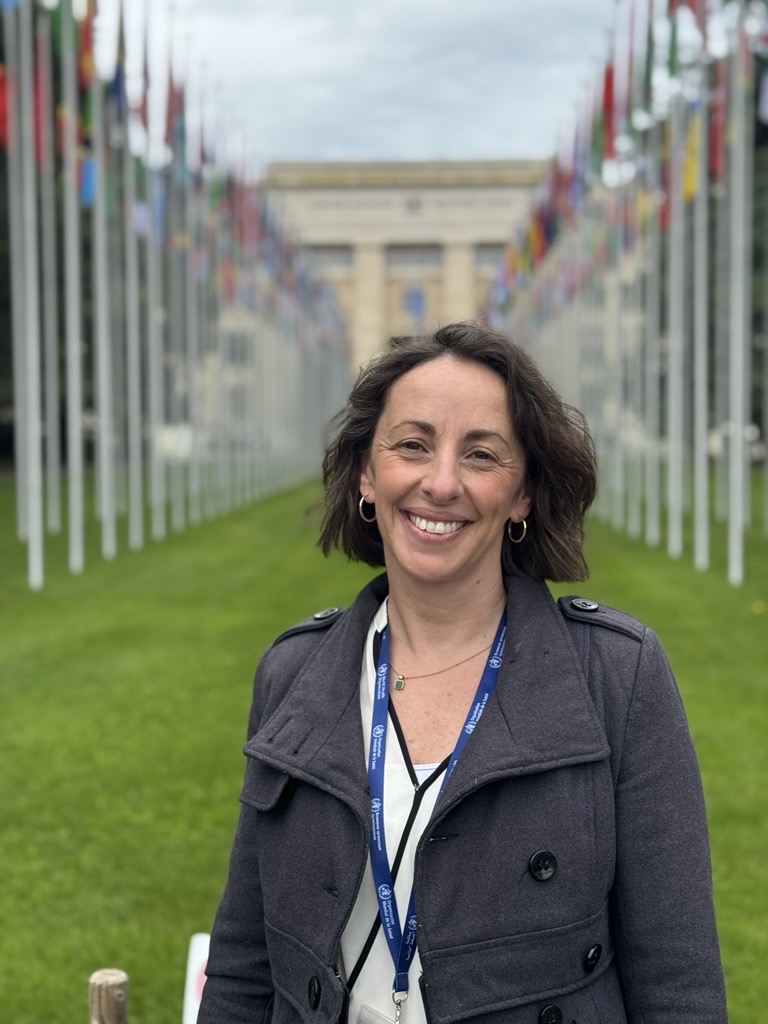
Katherine Thomson
International Association for Suicide Prevention
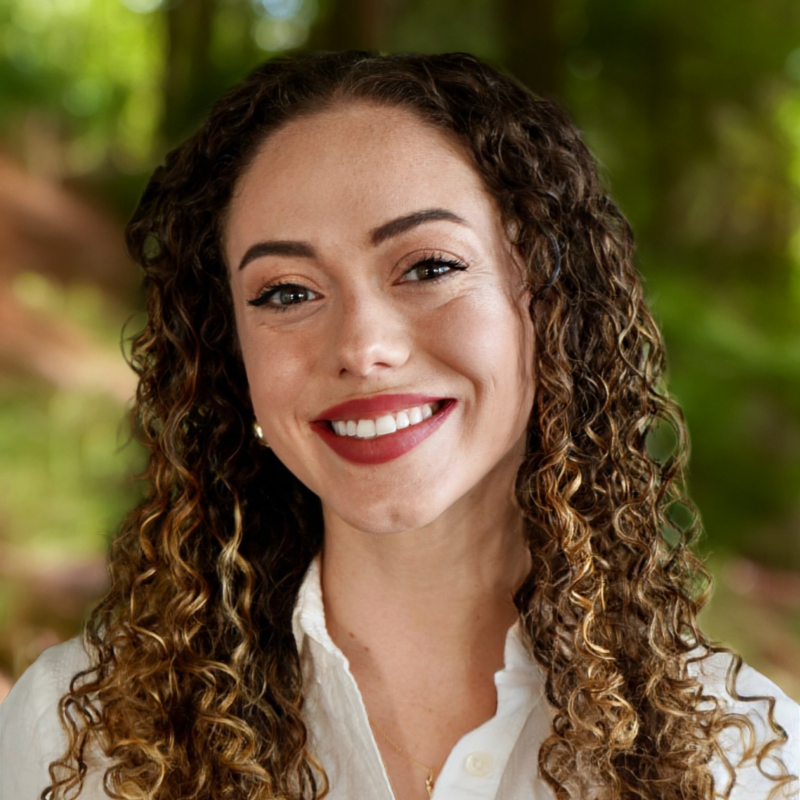
Briana Vecchione
Data & Society

Vaile Wright
American Psychological Association

Kelly Zuromski
Crisis Text Line
